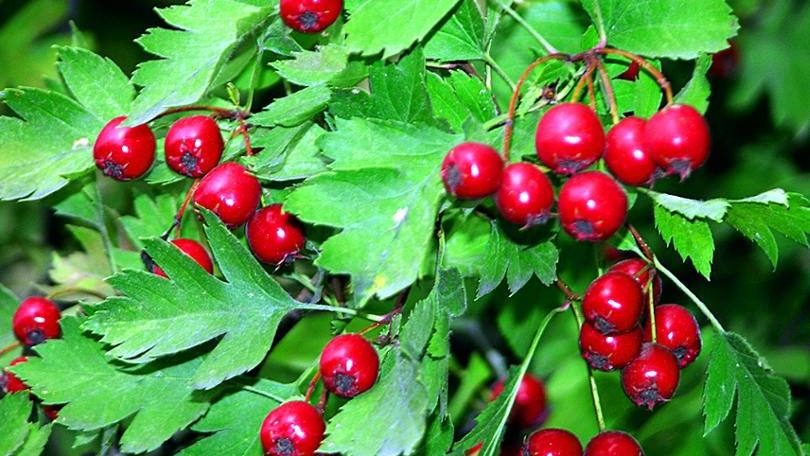
The scarlet berries of hawthorn look like large drops of blood: they seem to remind us of the plant's main mission, the careful care of the cardiovascular system. In the autumn rush of things we often forget that right now, in early October, nature has set aside the time to gather hawthorn. Let us manage to pick and dry it — so that in winter we have reliable natural support close at hand.
What is inside: composition and properties
The secret of its action lies in the rich bioactive composition of the berries:
- Flavonoids (quercetin, rutin) — antioxidants that strengthen the walls of blood vessels and make them elastic.
- Minerals (potassium, magnesium, calcium) — the main "friends" of the heart muscle, needed for a proper rhythm.
- Organic acids and pectins — help to cleanse the blood vessels and remove "bad" cholesterol.
- Ursolic acid — anti-inflammatory action, support for the work of the internal organs.
- Vitamins (C, E, K, beta-carotene) — general antioxidant protection of the cells.
Thanks to this composition, hawthorn has pronounced cardioprotective, mild sedative, antispasmodic and hypotensive properties.
Solid work with the heart and the brain
With the heart, hawthorn can work quite thoroughly: it regulates the rhythm in tachycardia, gently supports it in age-related weakening, helps to normalize high blood pressure and improves the blood supply to the myocardium. It helps with cardiac neuroses and the insomnia that comes with them.
Besides the heart itself, hawthorn also improves the blood supply to the brain — which is why it is often used for memory decline, dizziness and worsening cognitive function.
When medical herbalists turn to hawthorn
- arrhythmia, angioneurosis, atherosclerosis, hypertension;
- rheumatism;
- menopause, hot flashes, neurosis, insomnia, tachycardia;
- memory decline, reduced working capacity, dizziness, impaired coordination and gait;
- hyperthyroidism with tachycardia (as a supportive remedy);
- hypertensive disease;
- severe nervous shocks and exhaustion, cardiac neurosis;
- heart palpitations, a feeling of "heaviness" in the heart;
- nervous insomnia, angioneurosis.
Why there are no recipes in this article
Herbal medicine is not a template, and here everything is highly individual. Dosages, forms of intake (teas, decoctions, extracts) and combinations with other herbs depend on your history, your blood pressure level and accompanying factors. What brings relief to one person may harm another — there are no general recommendations for everyone, and there cannot be.
Be sure to consult a knowledgeable specialist to choose a personal regimen. And for now — walk in the fresh air, breathe in the autumn and notice the scarlet clusters. Gather with love!
Hawthorn does not replace prescribed cardiac therapy and does not cancel blood pressure and rhythm monitoring with your doctor. For angina, arrhythmias, hypotension and when taking heart medications, the regimen is chosen by a specialist.