Varicose disease of the lower limbs is a condition in which venous outflow suffers. The typical complaints are: night cramps and itching in the muscles, pain when walking, general aching in the legs, swelling, a feeling of fullness and heaviness, and skin changes — it darkens and becomes covered with brownish "spots", while twisted, elongated veins appear, standing out above the surface of the lower legs and feet.
Where treatment begins
The foundation is a change of lifestyle and correction of your daily routine and diet based on Ayurvedic teaching. And only after that come the plants.
Plants that help the veins
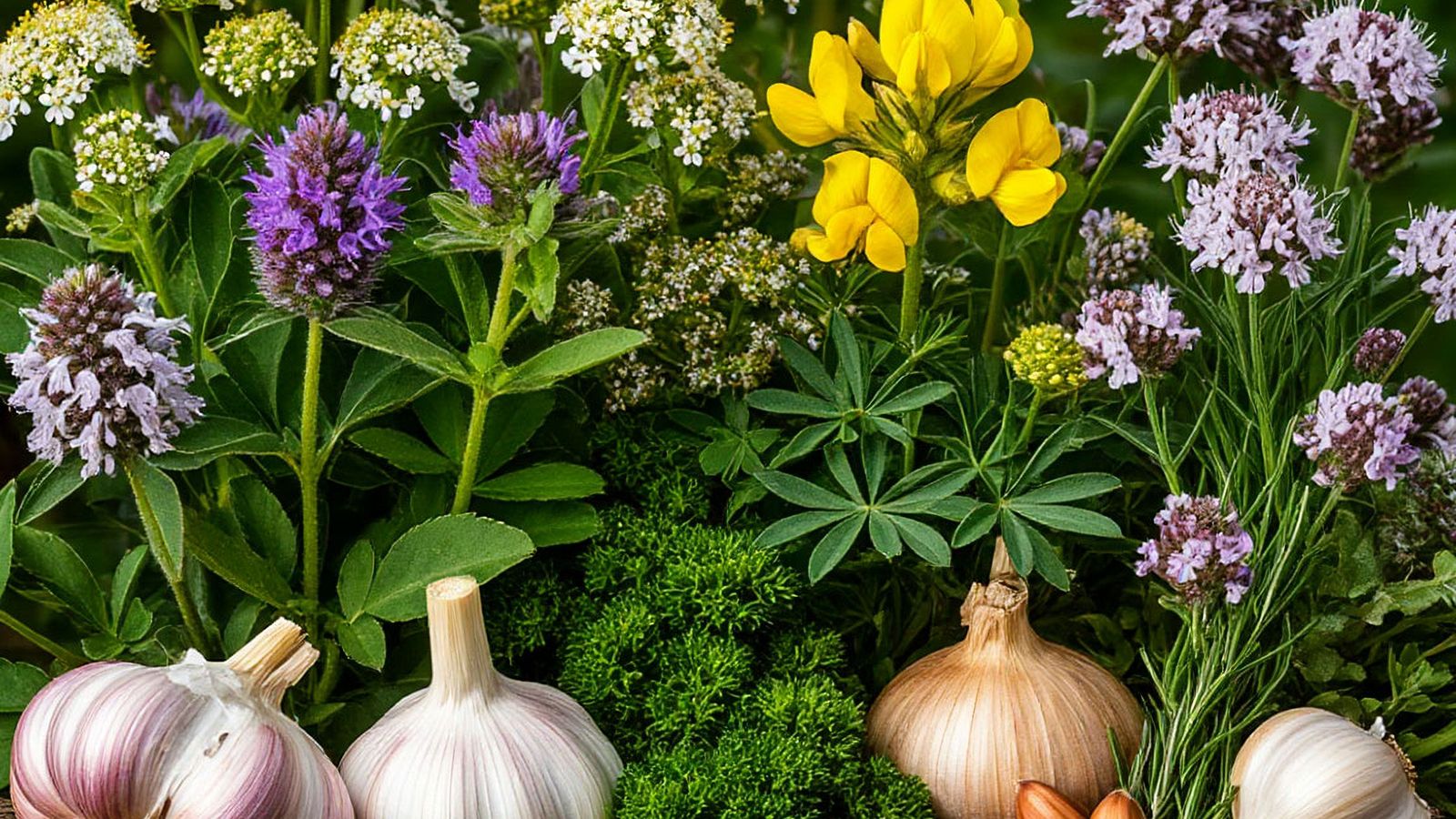
- Horse chestnut fruit — the base of the tincture.
- Sweet clover — fibrinolytic activity has been proven for both the infusion and the decoction.
- Astragalus membranaceus (woolly-flowered) — has a positive effect on the coagulation system: it increases blood clotting time, raises plasma tolerance to heparin, normalizes fibrinolysis values and increases free heparin.
- Garlic — fibrinolytic activity has been proven for aqueous extracts and essential oil.
What matters here is that the substances in the herbs prevent a clot from forming and, ideally, dissolve the fibrin threads that attach a clot to the vessel wall. There are not that many such plants, which is why a blend is always put together individually.
Even in advanced cases, when varicose veins are complicated by thrombophlebitis, trophic dermatitis and ulcers, medicinal plants often turn out to be very useful.
Clinical example: a 56-year-old female patient; the treatment lasted 6 months, the blends were constantly changed, and symptomatic support (liver and digestive system) was added. Her condition stabilized, the pain and swelling went away, the skin took on a normal appearance, and her quality of life improved noticeably.
Varicose veins require specialist supervision: thrombosis is a condition in which self-treatment is unacceptable.