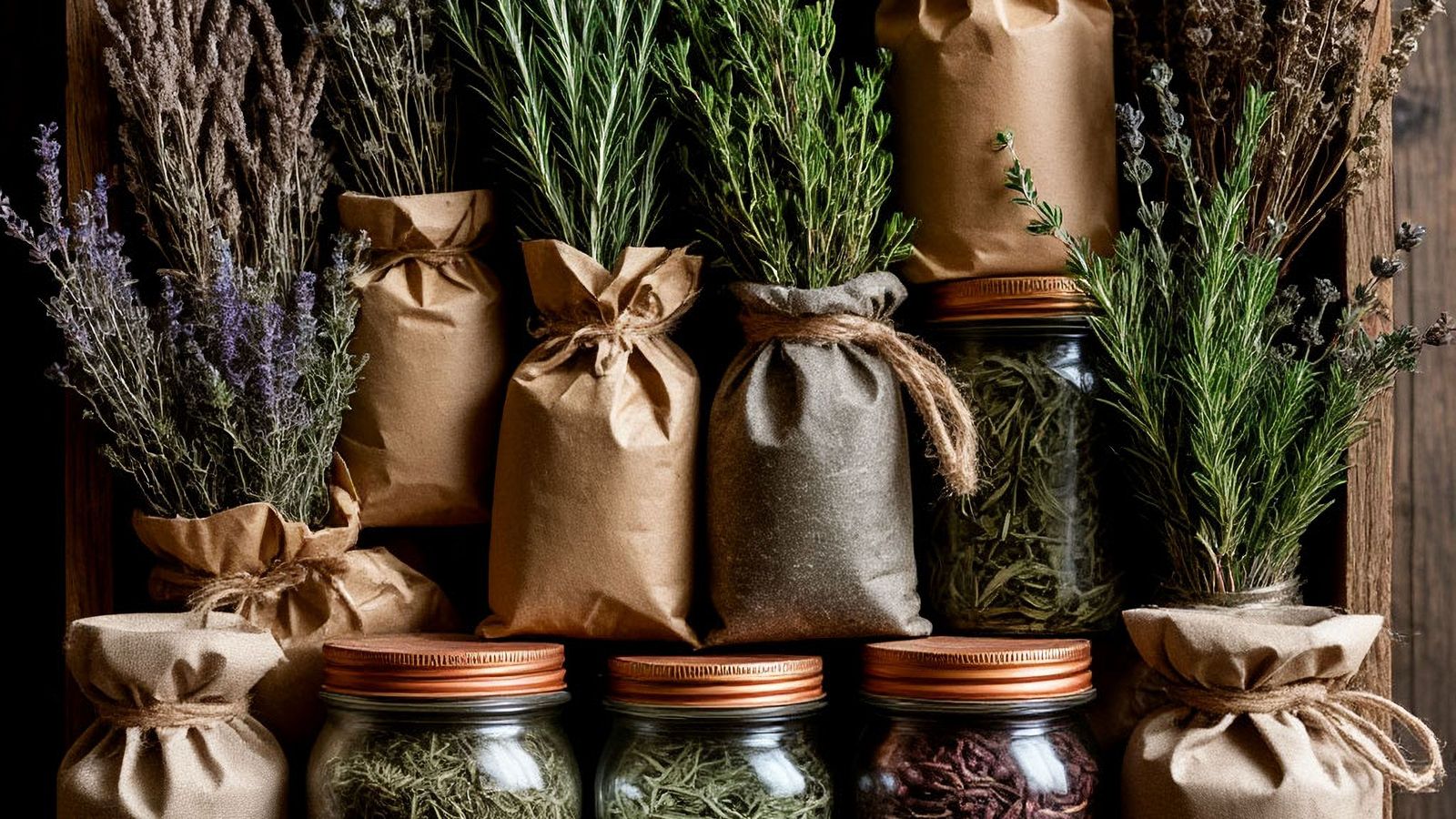
When I see people buying up herbal blends on marketplaces with pretty labels like "Wild Herbs of Altai", "Healing Herbs of Crimea" or "Taiga Shaman", cold irony kicks in. Let us sort out where wholesalers actually get their herbs.
Myth No. 1: "virgin highlands and hand-picking"
The urban buyer's imagination holds a blissful picture: a grey-haired third-generation herbalist climbs the rocky slopes at dawn and carefully cuts every branch with a sickle. Now turn on the math. When a brand sells tens of thousands of packs of chamomile, oregano, tansy or willowherb a month, hand-picking in the mountains is physically out of the question.
The real source: the industrial plow and the chemical industry
Almost 90% of the raw material packed into bags labeled "Altai" or "Crimea" comes from two sources:
- Monoculture industrial plantations. The herbs are grown like ordinary beetroot — across huge hectares, the land is plowed with tractors, and to keep the fields from overgrowing they are treated with pesticides and herbicides. The plant absorbs this into its cells. You buy a "cleansing blend" and in fact get a dose of glyphosate.
- Foreign wholesale imports (China, Egypt, India). The main secret of big wholesalers: it is cheaper to buy a bulk cargo ship of pressed chamomile or mint, bring it to a packing warehouse, grind it to dust and pack it into a kraft bag labeled "The Power of the Altai Mountains". And so that the raw material does not rot in the holds, it is treated with a harsh gas (sulfur dioxide) and preservatives. The result is the metabolic corpse of a plant, stripped of its living essential matrix but charged with chemicals.
The master's canon: only personal gathering or trusted people
That is exactly why I gather herbs personally, in their natural microclimatic niches, and I encourage you to gather herbs on your own whenever possible. If there is something I cannot gather myself, I buy it from my trusted herbalists.
Stop feeding the business empires of marketplaces and poisoning your organs with industrial straw under the guise of "taiga shrines". Turn on awareness.