The branches of trees and shrubs are an underrated raw material for winter tea. They hold the same beneficial substances as the fruit, only milder: such tea can be drunk every day, and the material for it can be gathered in mid-October, when the garden is being pruned.
Which branches work for tea in October
- Blackcurrant — red, black, white: aroma and benefits for the blood vessels.
- Raspberry — the hit of the cold season; the branches can be taken together with the leaves.
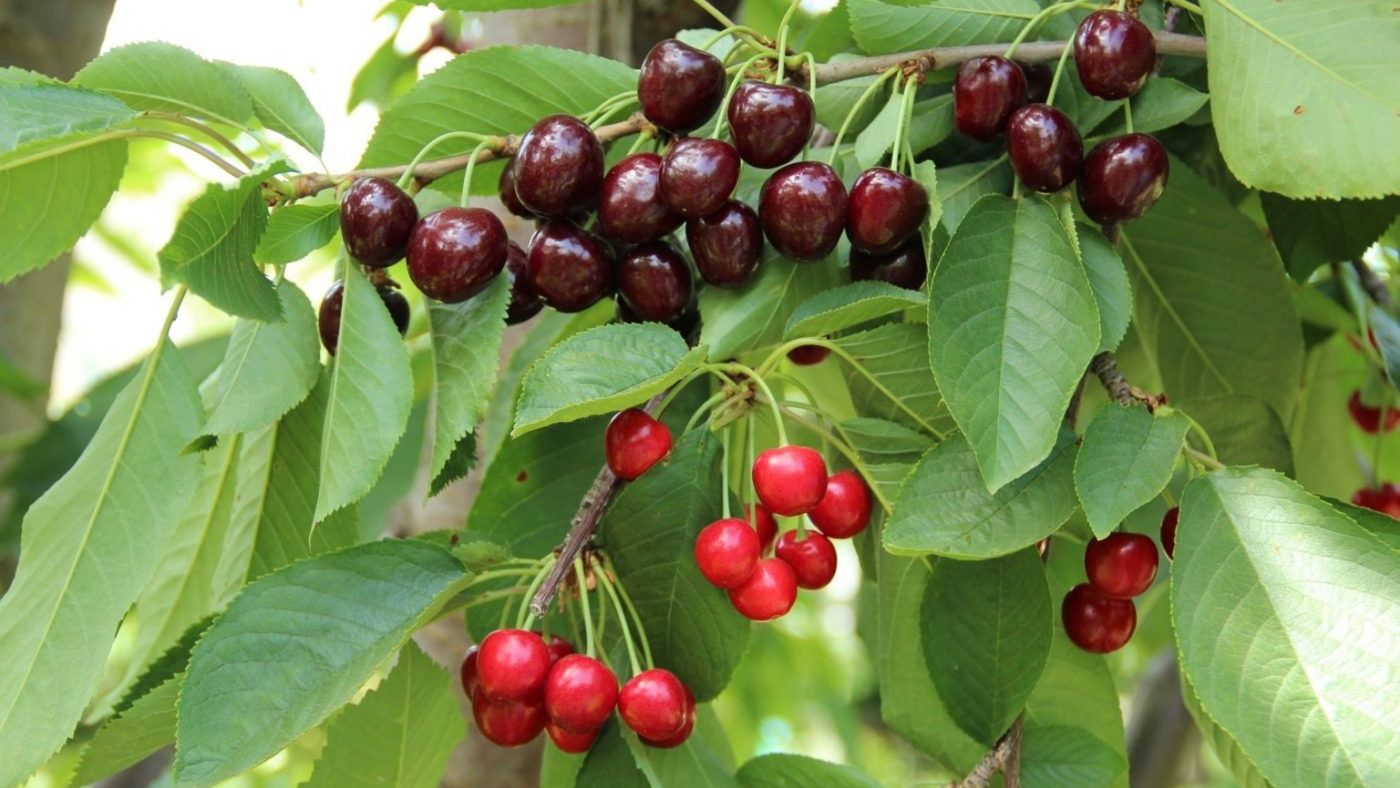
- Cherry — gives a beautifully colored drink with notes of almond.
- Plum — the finest aroma and a delicate taste.
- Rosehip — a pink infusion for rheumatism and sciatica.
- Apple tree — the taste depends on the variety: from the bitterness of the Chinese apple to an almost colorless tea from Antonovka.
How to gather and brew
The branches can be chopped and dried — that way you will stock raw material for the whole winter — or they can be brewed freshly gathered. Before brewing, be sure to rinse the branches under running water and cut them up: that way they release their aroma better.
Blackcurrant and raspberry branches can even be brewed a second time — the infusion will stay aromatic and rich.
Blackcurrant branch tea
It smells delightful, and you can drink it right away: it is enough to boil it for one minute. Blackcurrant is an amazing plant, and all its parts are beneficial when used correctly. Tea brewed on blackcurrant shoots is good for the blood vessels, improves metabolism and boosts the body's defenses, and has a diuretic effect. And tea from red currant branches is prescribed in Yakutia for rheumatism.
Cherry branch tea
It can also be drunk right after boiling, but if you let the drink steep, you get a truly divine tea of beautiful color with notes of almond.
Such tea is a health elixir for the kidneys: it gently removes sand and helps with the pain of cystitis.
Plum branch tea
It resembles cherry tea, but differs by a finer aroma and a delicate taste. For a liter of tea you need 5–7 plum branches of medium length. Plum tea relieves stress, calms and relaxes, and is good for the lungs. It is not recommended to brew it too strong.
Rosehip branch tea
The prickly rosehip gives a beautiful pink color when brewed. Such tea works as a diuretic and an astringent, and is indicated for rheumatism and sciatica. Before drinking, be sure to strain the drink — microscopic thorns remain in it.
Raspberry branch tea
If you missed pruning the raspberry patch in autumn, you can do it in winter as well — and pick out branches for tea at the same time. Raspberry branches that have not yet turned woody freeze together with their leaves: this is the ideal option for brewing.
- For half a liter of water — 7–8 branches about 15 cm long, preferably chopped.
- Boil for about 20 minutes; if you leave it to steep overnight, the tea will get a beautiful raspberry color.
Raspberry branch tea is the hit of the season against colds and viral infections: it boosts the immune system and helps with heartburn. Folk healers advise treating herpes eruptions with the softened pieces of brewed branches — simply apply a chewed piece of the wood to the sore spot.
It is also good for expectant mothers: it increases the elasticity of the ligaments of the birth canal. It helps with a cough, and many mothers use it as a fever reducer: raspberry tea increases sweating, and the temperature comes down naturally — the same effect as sponging with water.
Apple tree branch tea
The taste depends on the variety: the Chinese apple gives a drink with a bitter note, while Antonovka makes an almost colorless but very tasty tea. Apple tea is very good for vitamin deficiency, colds and sore throat.
Herbal teas are support, not a replacement for prescribed therapy. For chronic diseases, pregnancy and when taking medications, the composition and amount should be agreed with a specialist; gather branches for brewing in clean places away from roads.